

Japan Society for the Promotion of Science (JSPS)
Core-to-Core Program (B. Asia-Africa Science Platforms)
Building a Research Network to Found "the New Global South Studies"

Last Updated: March 2026
- Core Institute: Institute of Developing Economies (IDE-JETRO)
- Coordinator: Kawamura Koichi
- Project Period: FY2025 – FY2027
Project Overview and Objectives
This project aims to establish a framework for “New Global South Studies” that incorporates indigenous perspectives from within the Global South. With IDE-JETRO serving as the core institution, we will build a robust international research network linking Asia, the Middle East, and Africa. This collaboration facilitates a critical re-evaluation of the “Global South” concept, employing empirical area studies to systematically analyze the foreign policy behaviors of regional actors from political-economy perspectives.
Traditionally identified as the “South” or the “Third World,” the “Global South” is asserting a growing influence within the international community. However, its responses to major global challenges, such as the war in Ukraine, U.S.–China rivalry, environmental crises, and the expansion of BRICS, are far from monolithic. Despite its rising importance, there is no unified academic or policy-based definition of what the “Global South” entails or implies.
Our project seeks a comprehensive understanding of the Global South by integrating a meta-level analysis of the term’s discursive contexts and usage with empirical case studies of state-level actions across political, diplomatic, and economic domains. To ensure the long-term viability of this research, we are committed to building a resilient international network alongside our partners in the Global South.
To implement this framework, the project has formed a strategic research network with leading institutions in four countries that exemplify diverse Global South diplomacy:
- Indonesia: National Research and Innovation Agency (BRIN)
- Malaysia: University of Malaya
- Turkey: Middle East Technical University
- South Africa: Stellenbosch University
A comparative analysis of these diverse cases will clarify the multifaceted foreign policy behaviors of the Global South. By leveraging and expanding IDE-JETRO’s existing research ties, this initiative will foster cross-regional, multi-country collaboration, ultimately cultivating a truly global research network for Global South Studies.
FY2025
FY2025 Activity Report
Symposium: "Exploring the Global South: Epistemologies, Development Pathways, and Research Network"
- Dates: Thursday, August 7 – Friday, August 8, 2025
- Co-organizers: IDE-JETRO and the National Research and Innovation Agency (BRIN, Indonesia)
- Venue: BRIN (Jakarta, Indonesia)
- Participants: Approximately 420 (including Indonesian government officials, academia, private-sector representatives, and project affiliates from Japan, Indonesia, Malaysia, Turkey, and South Africa)
- Overview: Session 1 explored the international order and the future of South–South cooperation from an Indonesian perspective. Discussions highlighted Indonesia’s strategic capacity to serve as a pivotal bridge both between the North and South and within the Global South. Session 2 introduced a typological framework for the “Global South” concept, followed by reports from researchers of the four partner countries examining the term’s inherent polysemy and its specific usage within various national contexts. The Young Researchers Forum provided a platform for sharing diverse research findings, sparking lively Q&A exchanges on topics ranging from the impact of BRICS on Japan to comparative methodological approaches.
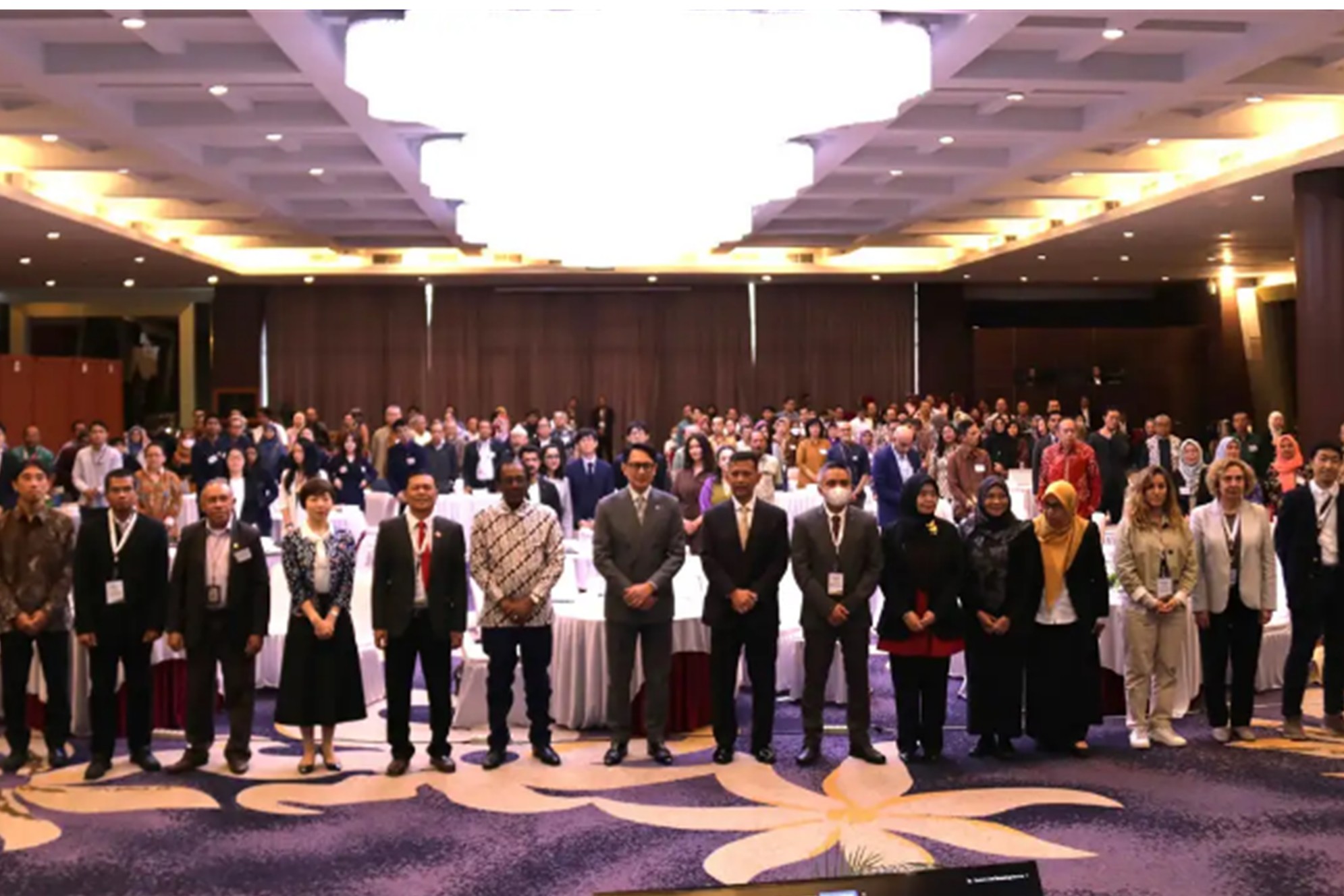
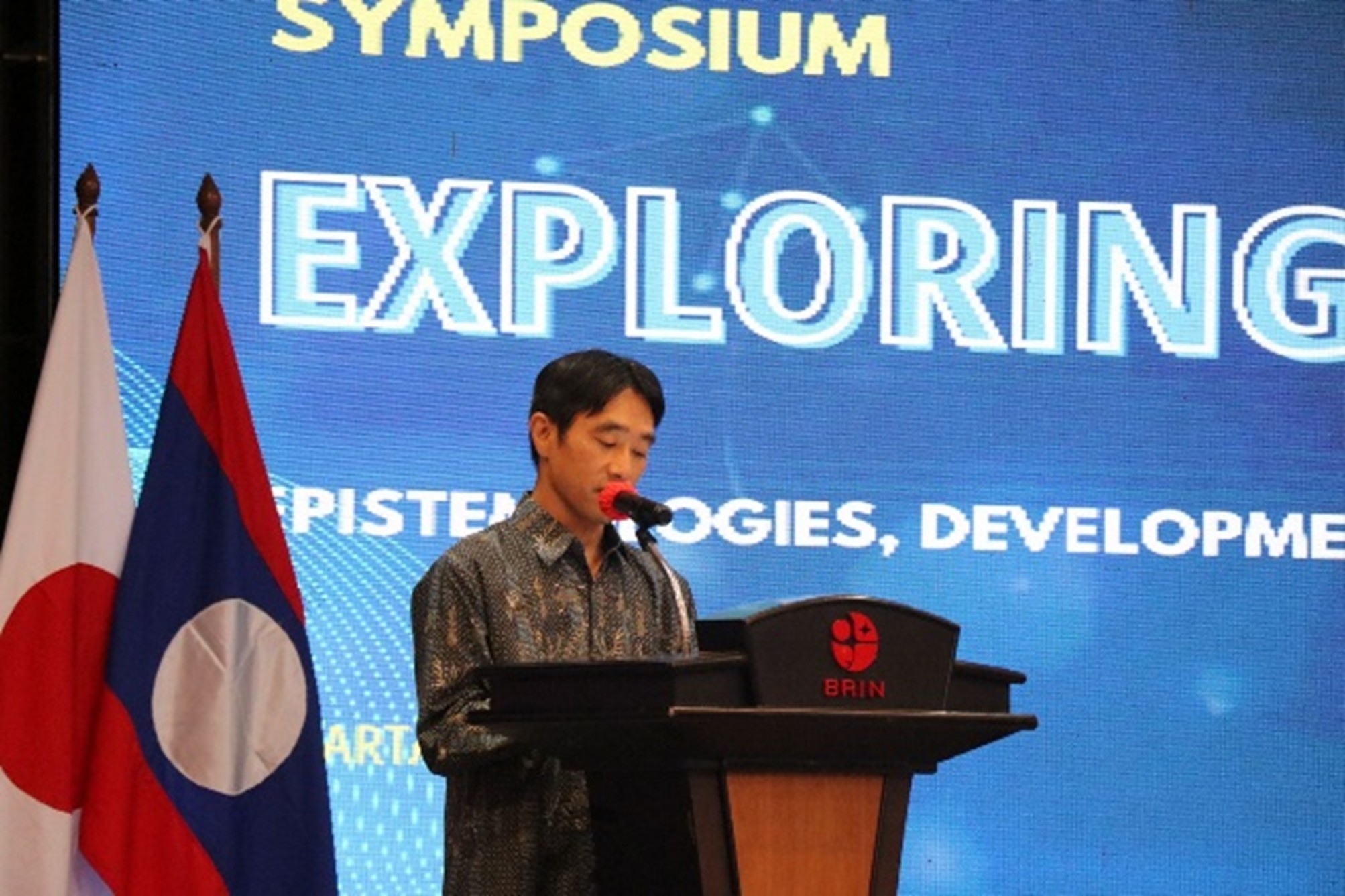
(Photos by BRIN)
Joint Research Meeting: Japan and South Africa Core Institutes
- Date: Monday, September 1, 2025
- Venue: IDE-JETRO (Chiba, Japan)
- Participants: Approximately 10 (South African Coordinator, Japanese Core Members, IDE-JETRO Researchers)
- Overview: Taking advantage of the South African coordinator’s visit to Japan, this meeting provided a focused venue for research alignment and networking. Participants addressed the conceptualization of the Global South and South Africa’s diplomatic strategies, with specific focus on its regional leadership in Africa, its relations with China, and the evolving trajectory of BRICS+. The discussions also addressed strategic directions for collaborative research and plans for joint publications. By including IDE-JETRO’s African studies specialists, the meeting fostered a dynamic dialogue that identified shared research interests and concrete opportunities for future exchange.
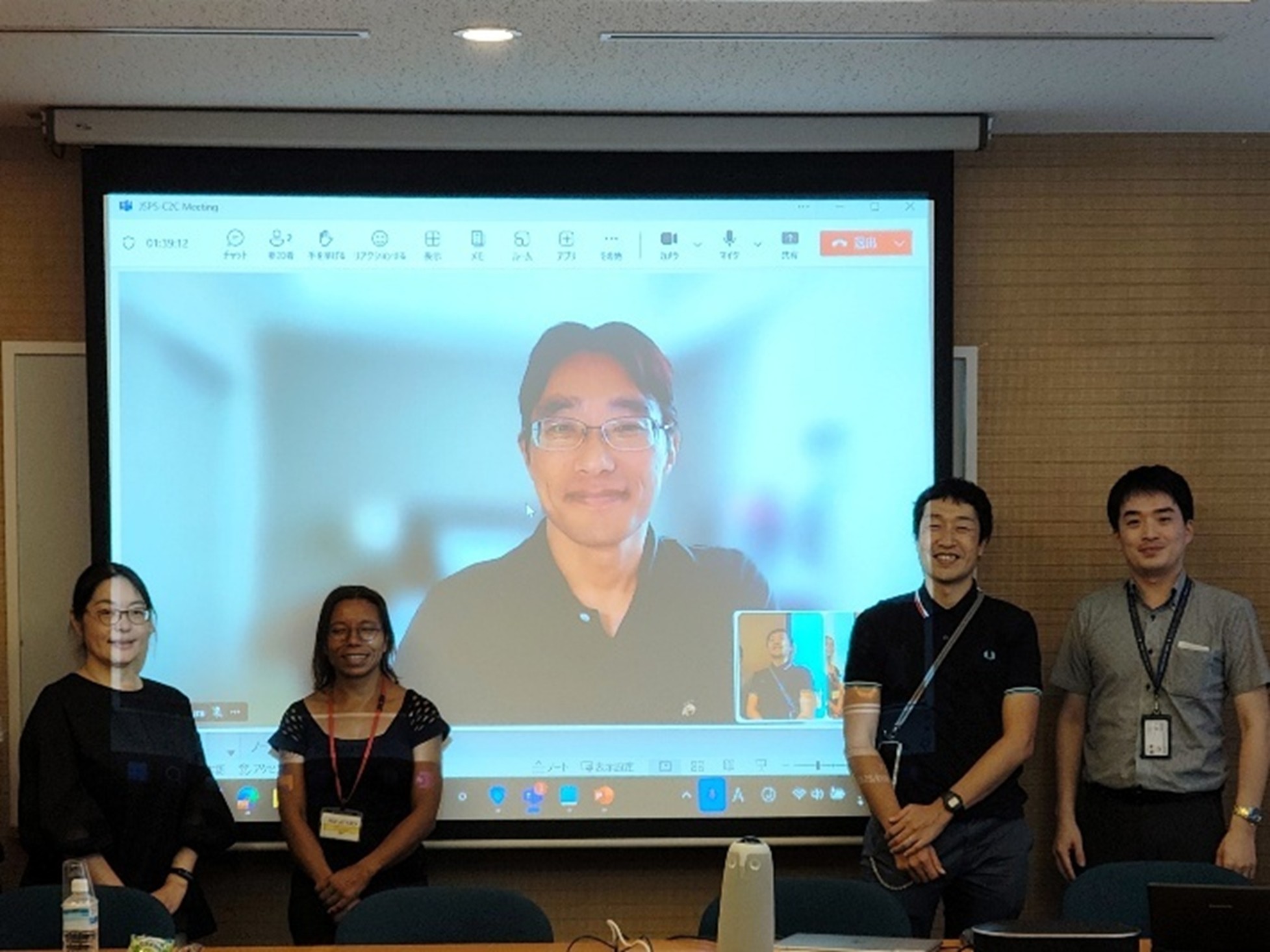
Joint Research Meeting: Japan and Malaysia Core Institutes
- Date: Tuesday, January 6, and Wednesday, January 7, 2026
- Venue: University of Malaya (Kuala Lumpur) & Universiti Sains Malaysia (Penang)
- Participants: Approximately 25 (Malaysian Core Members, faculty and graduate students, Japanese Core Members)
- Overview: Japanese project members visited the University of Malaya to discuss conceptual challenges in Global South studies and delineate future research trajectories. The meeting also explored institutional avenues for personnel exchange and collaborative research. A dedicated session with young researchers facilitated a deep dive into the epistemological dimensions of the Global South, enriched by diverse perspectives from scholars of Chinese and African origin. The delegation subsequently visited Universiti Sains Malaysia (USM) to exchange insights on current trends in social science and international relations research within Malaysia. Collectively, these engagements established a robust foundation for expanding future academic collaboration.
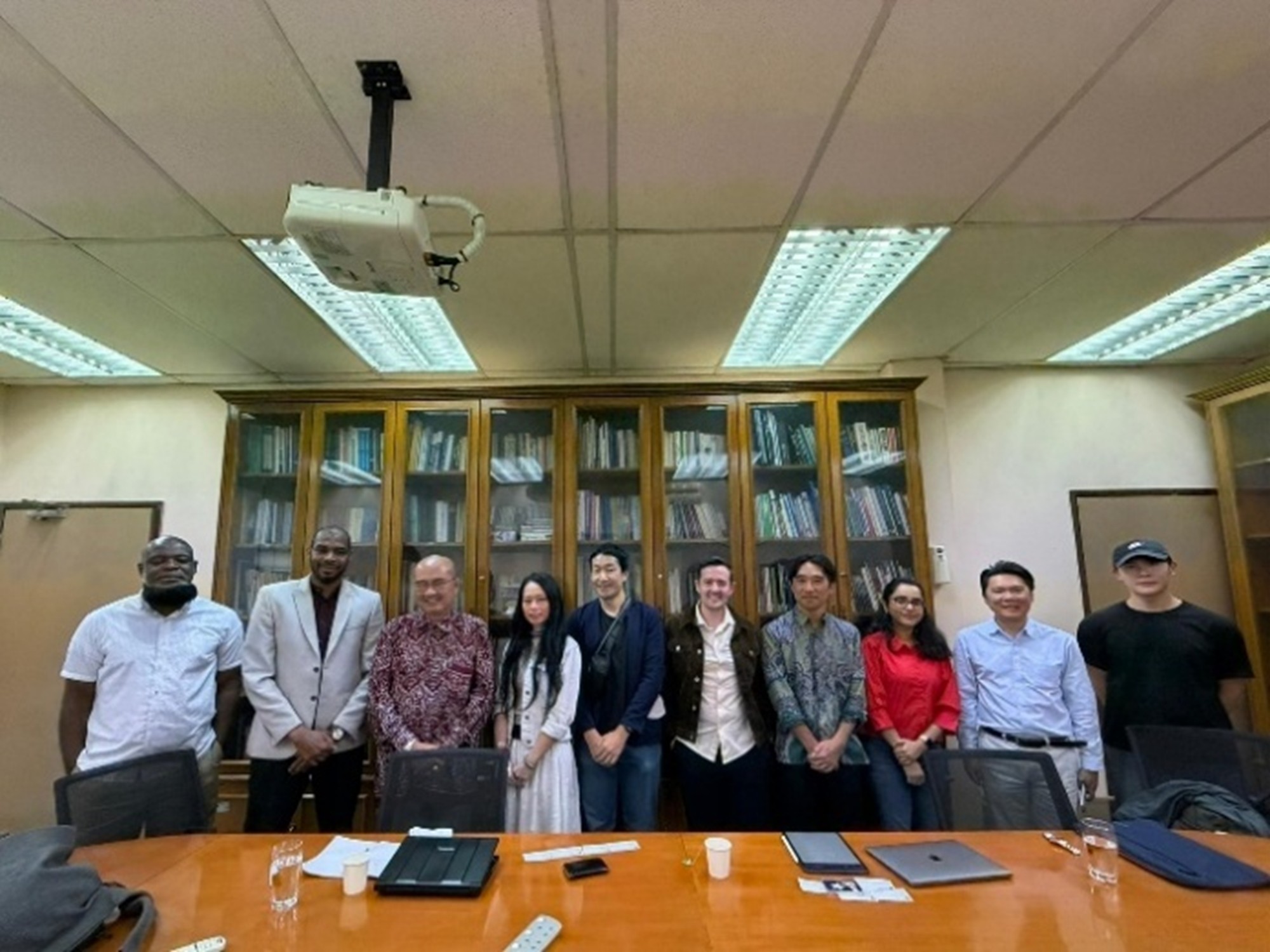
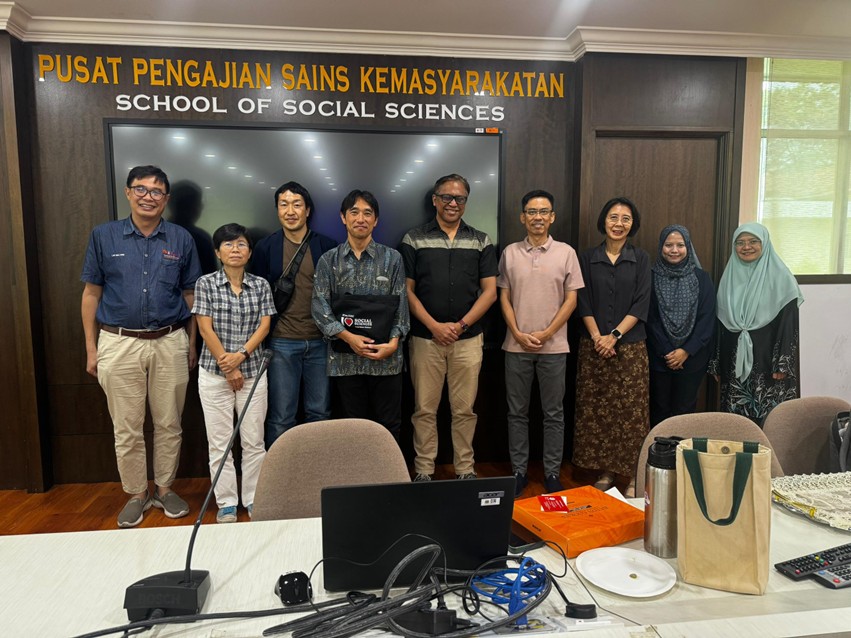
(Photos by University of Malaya, Universiti Sains Malaysia)
Joint Research Meeting: Japan and Malaysia Core Institutes
- Date: Tuesday, March 3, 2026
- Venue: IDE-JETRO (Chiba, Japan)
- Participants: 10 (Malaysian Core Members, Japanese Core Members, IDE-JETRO Researchers)
- Overview: Coinciding with the visit of a Malaysian core member to Japan, this research meeting focused on the provision of international public goods in a world without a hegemonic state. The Malaysian member proposed that ASEAN could serve as a provider of regional public goods in Southeast Asia, triggering a comparative debate involving the African Union and the institutional landscape of the Middle East. The dialogue centered on the agency of Global South states in constructing and maintaining regional orders in a post-hegemonic world. This session provided a highly productive exchange of views on themes deeply relevant to the project's second-year research goals.
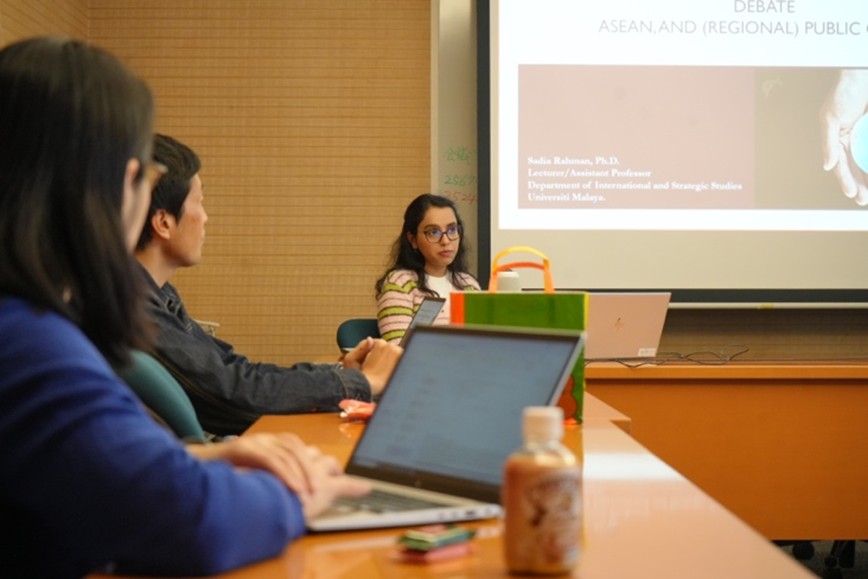
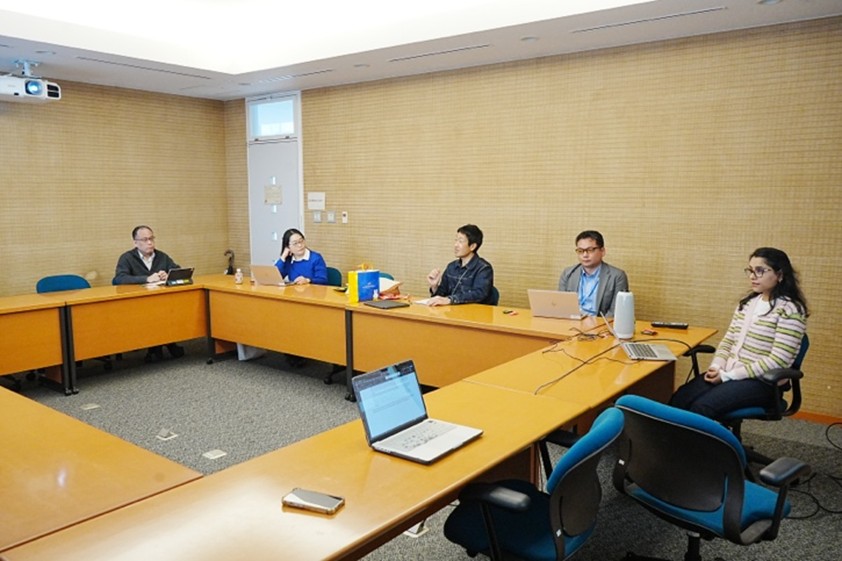
(Photos by IDE-JETRO)
FY2025 Organization
| Country | Core Institute | Project Members |
|---|---|---|
| Japan | IDE-JETRO |
|
| Indonesia | BRIN |
|
| Malaysia | University of Malaya |
|
| Turkey | Middle East Technical University |
|
| South Africa | Stellenbosch University |
|
FY2026
FY2027